
Piercing Aftercare Guide
Congratulations on your new body piercing! Following this official piercing aftercare guide guarantees proper healing, keeps your jewelry sparkling, and prevents unwanted irritation bumps.
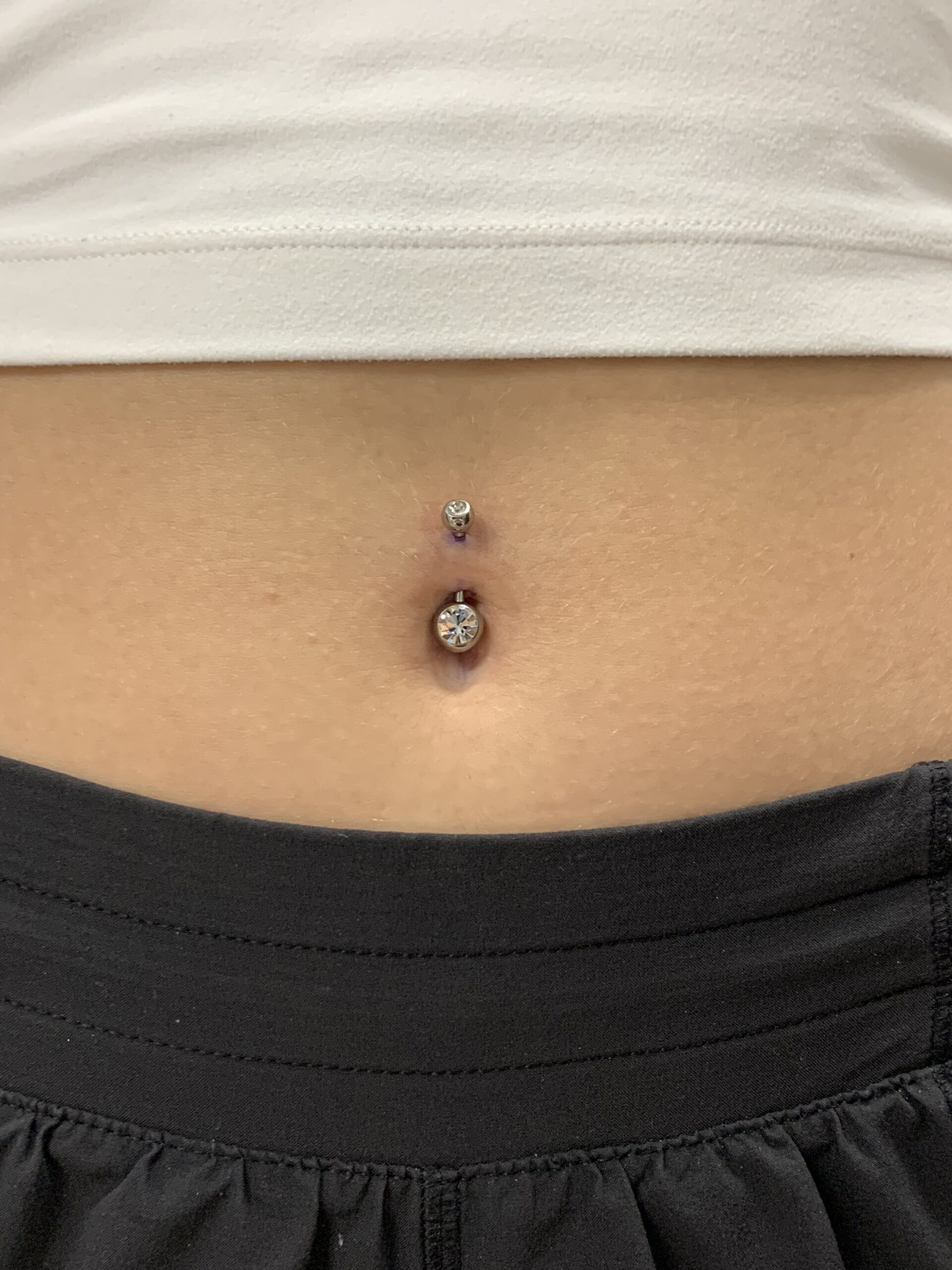
Complete Piercing Aftercare Guide & Cleaning Instructions
Phase 1: Hygiene & Saline Cleaning Routines
- 1. Clean Hands First First and foremost, always wash your hands thoroughly before touching your piercing or jewelry. Consequently, this simple step stops dirt and harmful bacteria from entering the open skin.
- 2. Recommended Cleaning Solutions Use a pre-packaged sterile saline spray or a mild non-alcoholic, fragrance-free soap. However, avoid harsh chemicals like rubbing alcohol, hydrogen peroxide, or heavy ointments because they irritate tissue and delay healing.
- 3. Soaking & Gently Removing Crusts Next, apply saline solution using a clean gauze pad or paper towel for 5 to 10 minutes to soften natural discharge crust. Afterward, gently wipe away buildup. If you use cotton swabs, ensure no loose fibers remain behind.
- 4. Cleaning Frequency In addition, clean your piercing twice a day once in the morning and once before bed. Furthermore, if exposed to heavy sweat, rinse thoroughly with saline solution afterward to keep the area fresh.
Phase 2: Protecting Your Healing Piercing
- 5. Do Not Touch or Twist Jewelry Avoid touching, spinning, or twisting the jewelry. Otherwise, moving the post tears delicate new skin, causes permanent scarring, and increases infection risks.
- 6. Let the Piercing Breathe Avoid covering your piercing with tight bandages or restrictive clothing. Instead, let airflow surround the area so that it heals naturally and efficiently.
- 7. Avoid Submerging in Water Do not swim in pools, hot tubs, lakes, or oceans until fully healed. Although short daily showers are completely fine, avoid soaking your piercing for long periods.
- 8. Sleeping with Your Piercing Try to avoid sleeping directly on a fresh ear or body piercing. As a result, you prevent unnecessary pressure, friction, and shifting angles.
Phase 3: Material Quality & Expected Healing
- 9. Avoid Makeup, Cosmetics & Fragrances Keep makeup, face lotions, hairspray, and perfume away from open piercing sites. Otherwise, trapped cosmetics will irritate the tissue.
- 10. High-Quality Jewelry Materials Ensure your jewelry consists of hypoallergenic materials like implant-grade titanium, surgical steel, or niobium. Therefore, avoid cheap metals containing nickel.
- 11. Monitoring Symptoms & Timelines Finally, expect initial swelling for 3 to 6 weeks with most piercings, while full healing takes 6 to 9 months. Mild redness and clear discharge are normal; however, consult a professional if you observe green pus or excessive heat.
Medical Notice & Disclaimer
Our studio staff follows all hygiene standards established by Ontario Public Health Standards. However, body piercers are not medical doctors and cannot diagnose infections.
If you experience unusual symptoms such as extreme redness, severe swelling, or foul discharge, consult your physician immediately. Return to our main tattoo and piercing aftercare hub for additional guides or visit our appointment page to ask our studio team a question.